The aircraft has to reach you
A charter quotation may include the aircraft’s movement to the departure airport and its movement after your arrival. These repositioning sectors are a major reason two similar aircraft can produce different quotations for the same passenger itinerary.
An aircraft already in the right place can be commercially attractive. That does not automatically make it the best choice: the operator, cabin arrangement, baggage capacity and feasible schedule still need to fit the trip. Ask which positioning assumptions are embedded in each quote, without expecting access to every detail of an operator’s wider schedule.
The mission shapes the cost
Range requirements, passenger count and luggage can change the aircraft category needed. A nonstop itinerary may require an aircraft different from one that can make a planned fuel stop. Airport restrictions, runway performance and operating hours can also affect what is feasible.
For a return trip, the operator may keep the aircraft and crew nearby or reposition them between sectors. The economics depend on the length of the stay and operational commitments. Never assume a round trip is simply twice a one-way quote, or that leaving the aircraft in place has no cost.
Compare the same scope
Ask whether quotations include applicable taxes, airport and handling charges, crew expenses, catering and ground arrangements. Some expenses may be confirmed only later. De-icing, additional waiting, itinerary changes and other contingencies deserve a written explanation.
Demand and availability can shift, particularly around major events and busy travel periods. An indicative price is not a reserved aircraft. Note quote validity, payment timing and the point at which the aircraft and operator become contractually confirmed.
- Exact airports, dates and departure times
- Aircraft identity or the conditions for a permitted substitution
- Included services, applicable taxes and excluded charges
- Waiting time, overnight arrangements and itinerary-change terms
- Cancellation, disruption and replacement-aircraft provisions
Ask for an itinerary-level explanation
The most useful pricing discussion begins with your mission: who is travelling, what must be carried, and where flexibility exists. Moving a departure window or accepting a different airport may change availability. These are options to assess, not promises of savings.
There is no responsible universal price list for every trip. A live, clearly scoped quotation from a legitimate operator through a transparent arrangement is more valuable than a headline rate detached from the journey. Judge the quote by what it covers, not by how small its first number appears.
Planning a specific journey? Live charter enquiries are handled by Limitless Sky, where the operator, aircraft and terms for your itinerary can be discussed.
Sources & editorial notes
Written by Dr. Christoph Lymbersky as an authored perspective drawing on the public sources below. Sources reviewed 9 October 2026. General editorial guidance, not an individual operating, legal, tax or investment recommendation. Scenarios are labelled illustrative and do not describe real clients. No market-wide prices, statistics or guaranteed aircraft performance are asserted.
- NBAA — Best Practices for Air Charter Brokering ↗
Industry guidance on broker roles, transparency and US disclosure obligations. Regulatory requirements vary by jurisdiction.
- FAA — Thinking of Chartering an Aircraft? ↗
US consumer guidance on identifying legitimate charter operators and checking operational authority.
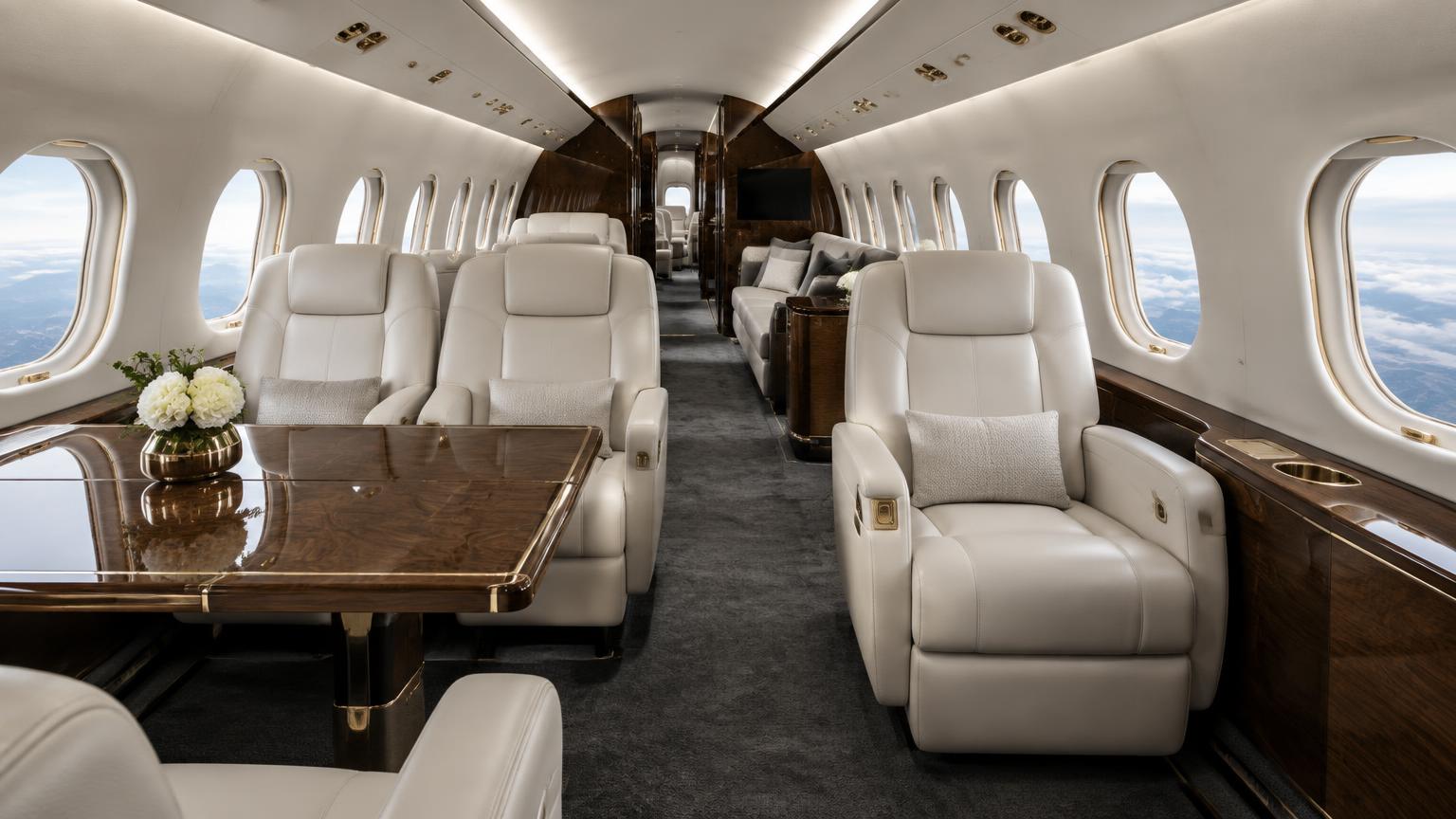
The illustrations are generated aviation imagery, not evidence of a specific aircraft or operator.
For a live itinerary, see the charter advisory guide or start a private enquiry.