What repositioning is
Repositioning (or “positioning”) means flying an aircraft without paying passengers to the departure point, or back to base after the trip. The aircraft burns fuel, uses crew duty time, incurs landing and handling charges and accumulates maintenance hours on those legs.
Operators may price these legs explicitly or embed them in the overall quotation. Ask which approach your quote uses—see all-in versus hourly pricing.
Why one-way trips cost more
A one-way flight may require the aircraft to return empty to base. A round trip with a short stay may allow the aircraft to wait, with crew overnight costs, rather than flying two extra empty sectors. Which is cheaper depends on the duration of the stay and the operator’s alternatives.
Longer stays usually favour separate one-way bookings, possibly with different aircraft. No market-wide figures are asserted here; costs vary by aircraft, operator, region and date and must be confirmed in a written quotation.
Where empty legs come from
Repositioning flights are the source of empty-leg offers: operators try to sell a leg they would fly anyway. These can be attractive, but they are tied to the original booking’s schedule and can change or disappear. See empty-leg economics.
Crew duty and overnight costs
Repositioning interacts with crew duty limits. A crew that positions the aircraft early in the morning, flies your trip and returns empty may reach duty limits sooner than the passenger flights alone suggest. That can require an overnight stop or a fresh crew, each with its own cost. The arithmetic is operator-specific and depends on regulations, crew contracts and schedule.
This is one reason two quotes for similar trips can differ: one operator may be able to schedule crew efficiently around your timing, another may not.
Wait or return: a decision framework
For trips with a stay of hours or a few days, the operator must decide whether the aircraft waits with you or flies back and returns later. Waiting incurs crew accommodation and parking; returning incurs two empty sectors. The cheaper option depends on distance, stay length, parking availability and whether the operator can use the aircraft for another trip meanwhile.
- Short stay, distant base: waiting often makes sense
- Long stay, distant base: separate one-way trips often make sense
- Busy destination with limited parking: aircraft may have to reposition regardless
- Operator with another booking nearby: return may be offset by other revenue
How to read positioning in a quote
Some quotes show positioning legs explicitly; others present a single total. Either is acceptable, but you should be able to ask where the aircraft is coming from, where it returns and whether any waiting is assumed. These answers explain much of the price and help identify flexibility that could reduce it.
When comparing quotes, check that each assumes the same pattern—wait versus return—before comparing totals. See all-in versus hourly pricing.
Checklist for reducing non-revenue flying
These questions often uncover legitimate savings without changing the quality of the trip.
- Where is the aircraft based, and where will it be the day before?
- Is a comparable aircraft positioned closer?
- Would a departure an hour earlier or later fit an existing movement?
- Would a nearby airport reduce positioning?
- Is the return better booked separately?
- Is there a matching empty leg that fits my timing (with its limitations)?
Why repositioning varies by region and season
Where aircraft are based relative to demand changes through the year. Seasonal destinations can draw aircraft away from their usual bases, making positioning longer for travellers elsewhere, and then flood the market with return legs when the season ends. Being aware of these patterns helps explain why the same route can be priced differently in different months, and why flexibility matters more in some seasons than others.
Common misconceptions
Understanding where an aircraft comes from and goes to explains most price differences between apparently similar quotes.
- “Empty legs are always cheap alternatives.” They follow another client’s schedule and can change.
- “Positioning is a hidden fee.” It is a real cost of fuel, crew and fees, whether shown or embedded.
- “The closest airport is always cheapest.” Not if the suitable aircraft is based elsewhere.
- “Round trips always cost less than two one-ways.” It depends on stay length and the operator’s alternatives.
Using this in your next request
Tell your broker which elements of your plan are fixed and which are flexible. A departure window of a few hours, openness to a nearby airport or willingness to consider more than one aircraft type gives the broker room to find a better-positioned aircraft. Ask each quote to state where the aircraft will be before and after your trip.
For trips with a long stay, ask for both options—aircraft waiting and separate one-way trips—so you can compare. See empty-leg economics for when a repositioning flight might be offered to you at a lower price, and its limitations.
How to reduce repositioning
Flexibility is the main lever: nearby airports, adjusted timings, or a different aircraft of the right category that happens to be closer. A broker who can see where suitable aircraft are positioned can propose these options.
- Is there a suitable aircraft based closer to my departure?
- Would a nearby airport reduce positioning?
- Is waiting cheaper than returning empty for this stay?
- Are positioning legs shown separately?
Sources & editorial notes
Written by Dr. Christoph Lymbersky as an authored perspective drawing on the public sources below. Sources reviewed 9 October 2026. General editorial guidance, not an individual operating, legal, tax or investment recommendation. Scenarios are labelled illustrative and do not describe real clients. No market-wide prices, statistics or guaranteed aircraft performance are asserted.
- NBAA — Aircraft Charter Consumer Guide ↗
Consumer-oriented guidance on charter quotations, operators and contracts, written primarily from a US perspective.
- NBAA — Best Practices for Air Charter Brokering ↗
Industry guidance on broker roles, transparency and disclosure. It describes good practice; it is not itself a regulation.
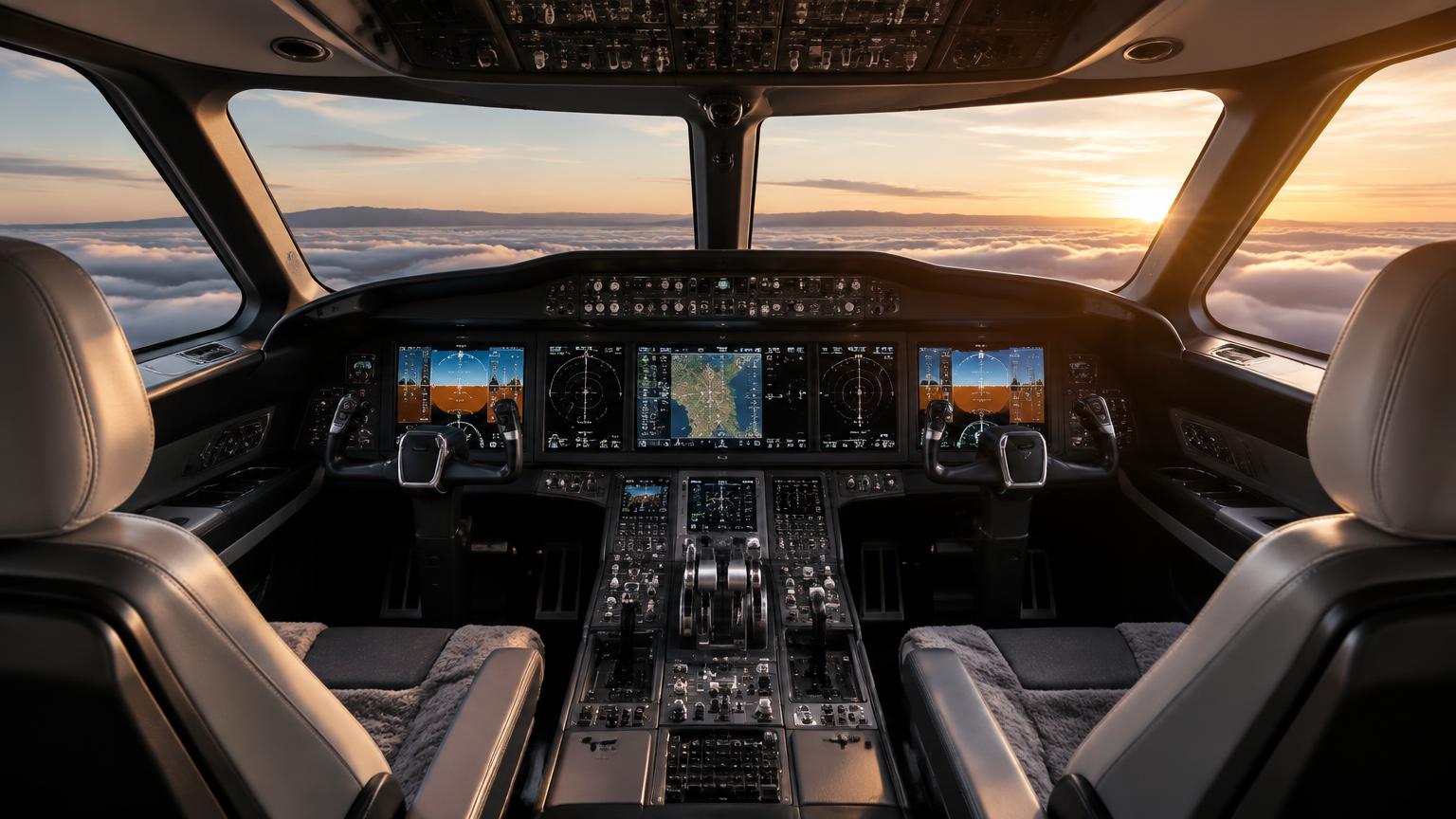
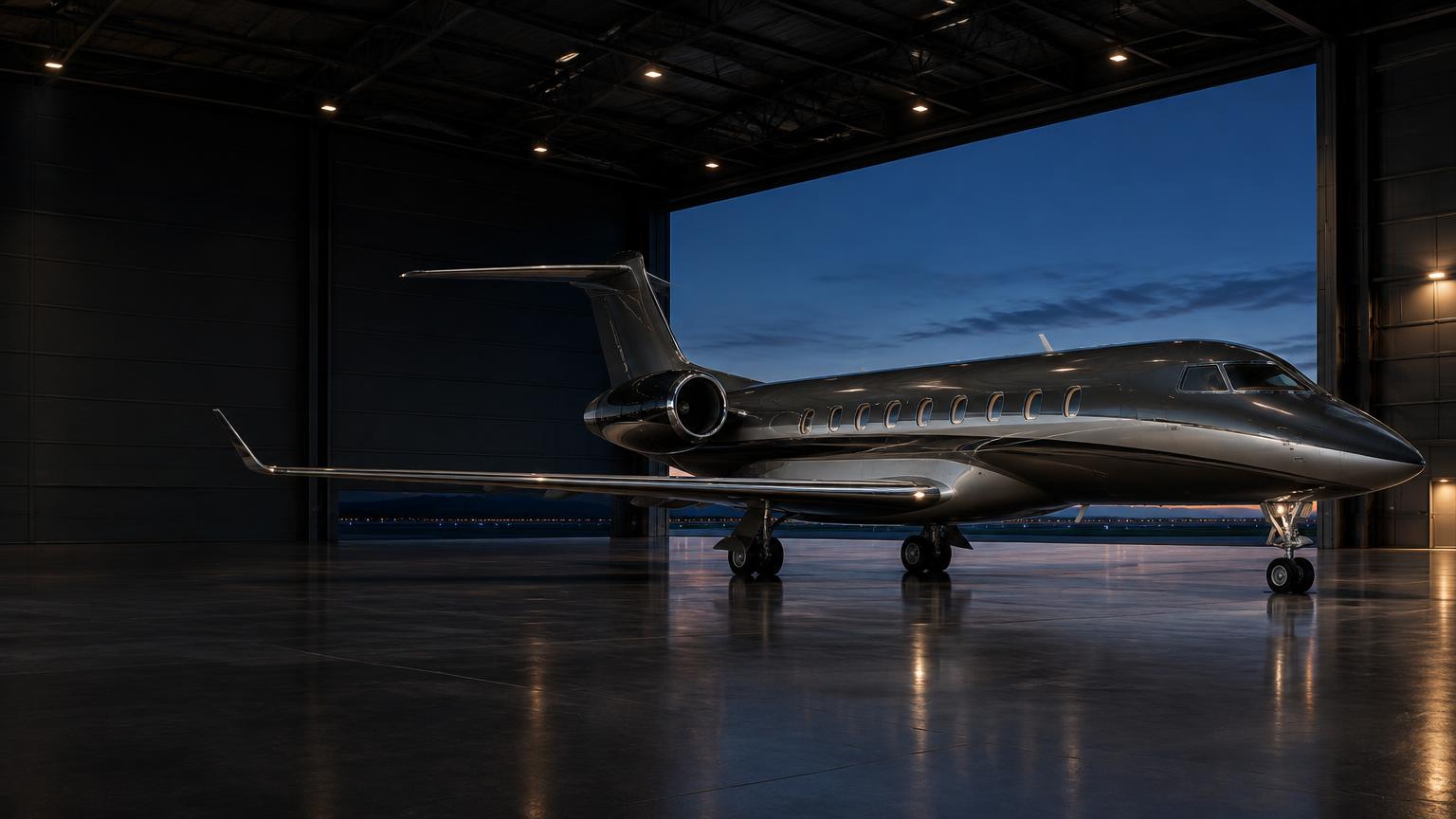
The illustrations are generated aviation imagery, not evidence of a specific aircraft or operator.
For a live itinerary, see the charter advisory guide or start a private enquiry.