Choose the airport around the embarkation
The best airport is the one that minimises friction to the marina, not necessarily the nearest. Consider runway suitability for the intended aircraft, operating hours, slot or permit requirements in peak season, and road transfer times at the hour you will actually arrive.
Runway and performance matter: see luggage, cabin and runway performance.
Build realistic buffers
Yacht schedules depend on crew preparation, provisioning and port formalities; aviation schedules depend on weather, slots and crew duty. Align them with buffers that absorb normal variation rather than assuming perfect timing.
Agree in advance who updates whom if the flight is delayed, so that the yacht captain is informed directly.
Luggage is the hidden constraint
Yacht travel invites soft luggage, but guests often bring hard cases, dive equipment or water-sports gear. Confirm volumes with the operator early; a cabin that suits the passengers may not suit the baggage.
Check hazardous items such as lithium batteries for e-foils or diving lights against aviation rules; the FAA’s PackSafe guidance is a useful starting reference.
- Number and type of bags per guest
- Oversized sports equipment
- Batteries and pressurised items
- Items to be shipped separately
A coordination timeline
Combined yacht and aviation itineraries benefit from a simple timeline agreed among the guest, the broker and the yacht team. The aim is to make dependencies explicit so that a change on one side triggers the right update on the other.
- Several weeks out: confirm dates, embarkation port, guest count and airport options
- Two to three weeks out: confirm aircraft, baggage inventory and ground transfers
- One week out: share passenger details through the agreed secure channel; confirm slots or permits if required
- Day before: reconfirm timings with captain, crew and drivers
- Day of travel: single point of contact updates both teams on any delay
Seasonal and regional considerations
Popular yachting regions are often busiest at the same time as their airports. Peak-season slots, parking restrictions and limited handling capacity can affect both arrival and departure. Some smaller airports have restricted operating hours or runway limitations that rule out larger aircraft. Plan the aviation side with the same seasonality in mind as the yacht booking; see peak-event demand.
Who holds which responsibility
A yacht charter broker, a yacht captain, an aviation broker and an aircraft operator each hold separate responsibilities and contracts. None automatically covers the others. Make sure each party knows who the others are and how to reach them, and that the guest knows which contract governs which part of the journey.
If a single adviser coordinates both, ask how the two sets of terms interact—for example, whether a delayed flight affects yacht charter obligations, which it usually does not by default.
Contingency for weather on either side
Weather can delay a flight or disrupt a planned disembarkation. Agree in advance what happens if guests reach the marina late, or if sea conditions delay the return to port. Flexible departure windows, an alternative airport and clear cancellation terms reduce the cost of these changes. See disruption costs.
Documentation and border formalities
Combined itineraries frequently cross borders by both air and sea. Passport validity, visas, customs declarations for equipment and, where relevant, documentation for minors travelling without both parents all need to align across both legs. The aviation operator and the yacht team may each require passenger information in different formats and at different times. Prepare one accurate set of passenger details, share it securely with each party that needs it and confirm requirements for every country on the itinerary well in advance.
Common misconceptions
The joins between the two journeys are where problems arise. Making those joins explicit—who updates whom, which contract governs what—prevents most of them.
- “The nearest airport to the marina is best.” Runway, hours, slots and transfer times may favour another.
- “The yacht team will adjust to any flight delay.” Port and crew schedules have limits too.
- “Soft yacht luggage fits any jet.” Sports equipment and hard cases often change the aircraft.
- “One contract covers both trips.” Yacht and aviation contracts are separate unless stated otherwise.
A simple plan for your next combined trip
Name one coordinator and share their contact details with the yacht captain, the aviation broker and the drivers. Agree the timeline above and the communication route for delays.
Send the baggage inventory, including sports equipment and batteries, to the aviation broker early, and confirm the aircraft can use the chosen airport at your time of arrival. Then plan the return with the same care as the outbound. See luggage and runway considerations.
Plan the return as carefully as the outbound
Returns are often arranged loosely and then compressed by weather at sea or late disembarkation. Fix a realistic departure window, confirm ground transport and know the cancellation terms if plans change.
One coordinated contact for both elements simplifies decisions when they need to be made quickly.
Planning a specific journey? Live charter enquiries are handled by Limitless Sky, where the operator, aircraft and terms for your itinerary can be discussed.
Sources & editorial notes
Written by Dr. Christoph Lymbersky as an authored perspective drawing on the public sources below. Sources reviewed 9 October 2026. General editorial guidance, not an individual operating, legal, tax or investment recommendation. Scenarios are labelled illustrative and do not describe real clients. No market-wide prices, statistics or guaranteed aircraft performance are asserted.
- FAA — PackSafe ↗
US guidance on hazardous materials in baggage, including lithium batteries.
- NBAA — Aircraft Charter Consumer Guide ↗
Consumer-oriented guidance on charter quotations, operators and contracts, written primarily from a US perspective.
- eCFR — 14 CFR Part 135 Subpart I, Airplane Performance Operating Limitations ↗
US performance rules covering takeoff and landing limitations for commercial operations.
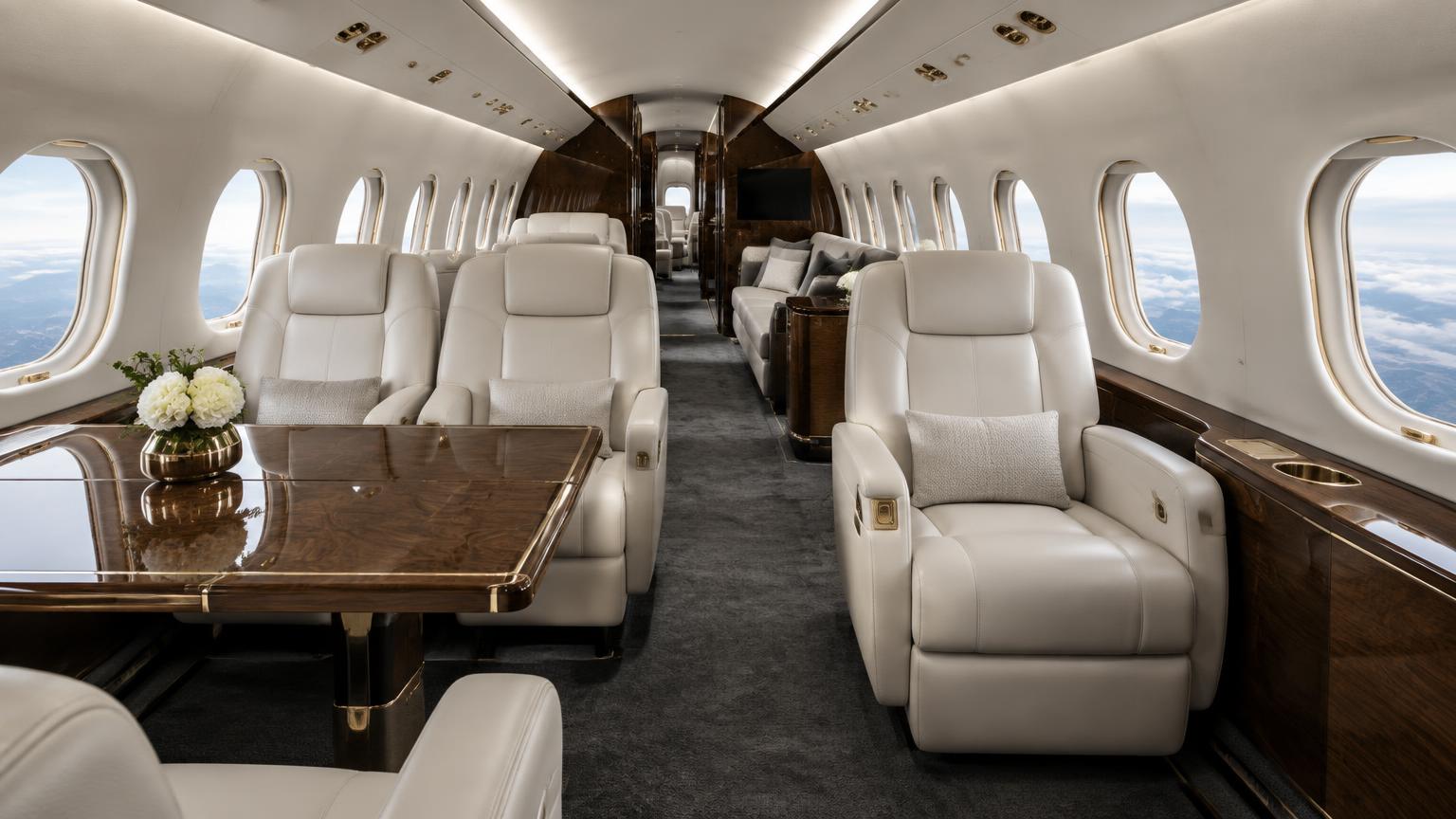
The illustrations are generated aviation imagery, not evidence of a specific aircraft or operator.
For a live itinerary, see the charter advisory guide or start a private enquiry.