Luggage: volume and shape
Baggage capacity is about shape as well as volume. Hard-shell cases, golf bags, skis and pushchairs do not compress. Some aircraft have holds accessible in flight; others do not. Weight also matters, because it may trade against fuel on longer missions.
Give your broker an honest inventory before the quote is prepared.
- Number of bags and whether hard or soft
- Oversized items: golf, ski, dive, music equipment
- Items needed during the flight
- Batteries and hazardous items (see FAA PackSafe)
Cabin: how will the time be spent?
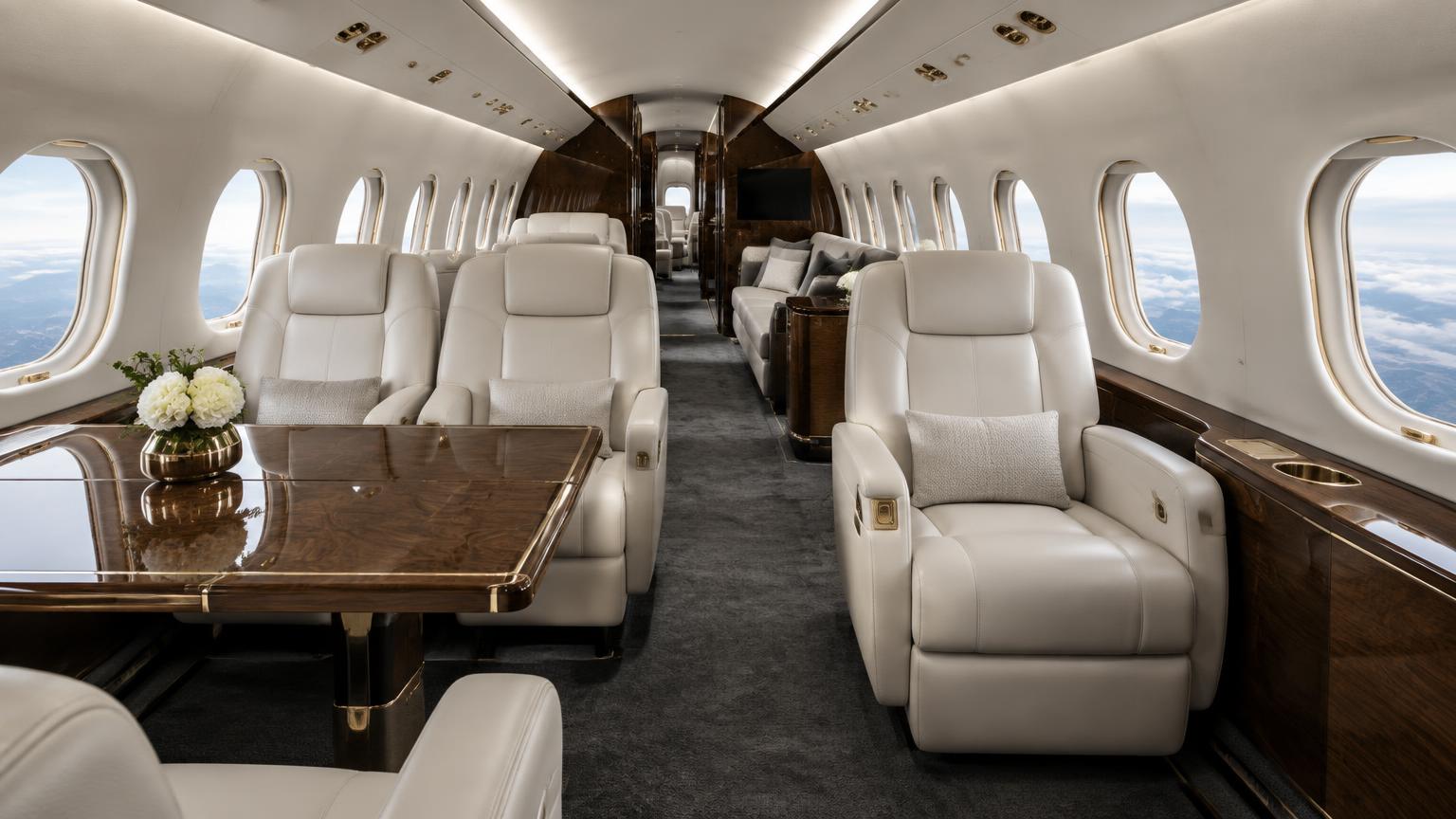
Seat count is not cabin suitability. Consider whether passengers need to work, eat, sleep or simply arrive. Note the lavatory location, galley capability, cabin height and whether the aircraft offers a separate zone.
For families, consider where children will sleep and where adults can work. See choosing aircraft categories.
Runway performance
An aircraft’s required runway length changes with weight, temperature, airport elevation, runway surface and slope. Hot, high and short combinations can restrict payload or fuel. US commercial operators must meet performance limitations such as those in Part 135 Subpart I; other jurisdictions have equivalents.
The FAA’s Pilot’s Handbook explains the general principles. The operator’s performance calculation for the actual conditions is what counts.
Why weight and balance matter to passengers
Every aircraft has limits on total weight and on how that weight is distributed. Passengers and baggage form part of that calculation, along with fuel. On shorter flights this rarely constrains anything. On longer flights, or from performance-limited airports, more baggage can mean less fuel or fewer passengers. Accurate information allows the operator to plan correctly rather than discover a problem at the aircraft.
This is one reason operators ask for passenger and baggage details in advance. It is not bureaucracy; it is planning.
A pre-quote information checklist
The more precise your brief, the more accurate the aircraft recommendation.
- Passengers: number, including children and staff
- Bags: number, hard or soft, approximate size
- Oversized items: golf, skis, surfboards, prams, instruments
- Pets: species, size, crate dimensions, destination entry rules
- Medical or mobility equipment
- Items needed during the flight
- Batteries, aerosols or other items covered by hazardous materials rules
- Departure and arrival airports and preferred times
Cabin features to confirm, not assume
Marketing photos often show optional configurations. Confirm the features that matter to you on the specific aircraft: whether the lavatory is enclosed and its location, whether seats convert to beds and how many, whether there is a galley capable of hot meals, cabin height, and whether connectivity is installed and works on your route.
For an overview of how categories differ, see choosing light, midsize and heavy jets.
Airports: the constraint that changes the aircraft
A preferred airport can rule out certain aircraft, and a preferred aircraft can rule out certain airports. Short runways, high elevation and high temperature reduce performance margins. Some airports restrict operating hours, noise levels or aircraft size. Others require slots or prior permission in season.
Ask your broker to confirm, with the operator, that the aircraft can use both airports at your expected weight and time—and what the fallback airport would be. See large-aircraft airport considerations.
When to ship baggage separately
For some trips—ski holidays with full equipment, extended stays with many hard cases, events requiring bulky materials—shipping part of the baggage separately can allow a smaller or better-positioned aircraft. The trade-off is time, cost and the risk of delay in the shipment. Discuss the option with your broker when the baggage inventory is the main factor pushing towards a larger aircraft, and decide based on the complete cost and convenience of both approaches.
Common misconceptions
Most of these surprises are avoidable with a few minutes of accurate information at the start. Operators and brokers can plan around nearly any requirement they know about in time.
- “If the passengers fit, the luggage will.” Hard cases and sports equipment often decide the aircraft.
- “Seats and beds are the same number.” Many aircraft sleep fewer passengers than they seat.
- “Any airport near the destination will do.” Runway, hours, slots and handling vary.
- “The operator will sort out details on the day.” Late surprises are expensive and sometimes unsolvable.
A five-minute brief that prevents most problems
Before requesting quotes, write a short note with the headings from the checklist above: passengers, bags, oversized items, pets, in-flight needs, hazardous items, airports and times. Send it to your broker and ask for it to be passed to each operator unchanged.
When quotes return, check that each operator has confirmed the baggage fits, the cabin meets your stated needs and the aircraft can use both airports at your expected weight. If any of those confirmations is missing, ask for it before choosing. This brief also makes quotes more comparable, because every operator is answering the same question.
Airport practicalities
Beyond the runway, consider operating hours, customs availability, slot or permit requirements and ground handling. A closer airport is not useful if it cannot accommodate your arrival time.
For island and coastal destinations, see coordinating yacht and jet charter.
Sources & editorial notes
Written by Dr. Christoph Lymbersky as an authored perspective drawing on the public sources below. Sources reviewed 9 October 2026. General editorial guidance, not an individual operating, legal, tax or investment recommendation. Scenarios are labelled illustrative and do not describe real clients. No market-wide prices, statistics or guaranteed aircraft performance are asserted.
- eCFR — 14 CFR Part 135 Subpart I, Airplane Performance Operating Limitations ↗
US performance rules covering takeoff and landing limitations for commercial operations.
- FAA — Pilot’s Handbook of Aeronautical Knowledge ↗
Background on how weight, temperature and airport elevation affect aircraft performance.
- FAA — PackSafe ↗
US guidance on hazardous materials in baggage, including lithium batteries.
- FAA — Runway Safety ↗
FAA overview of runway safety programmes and resources.
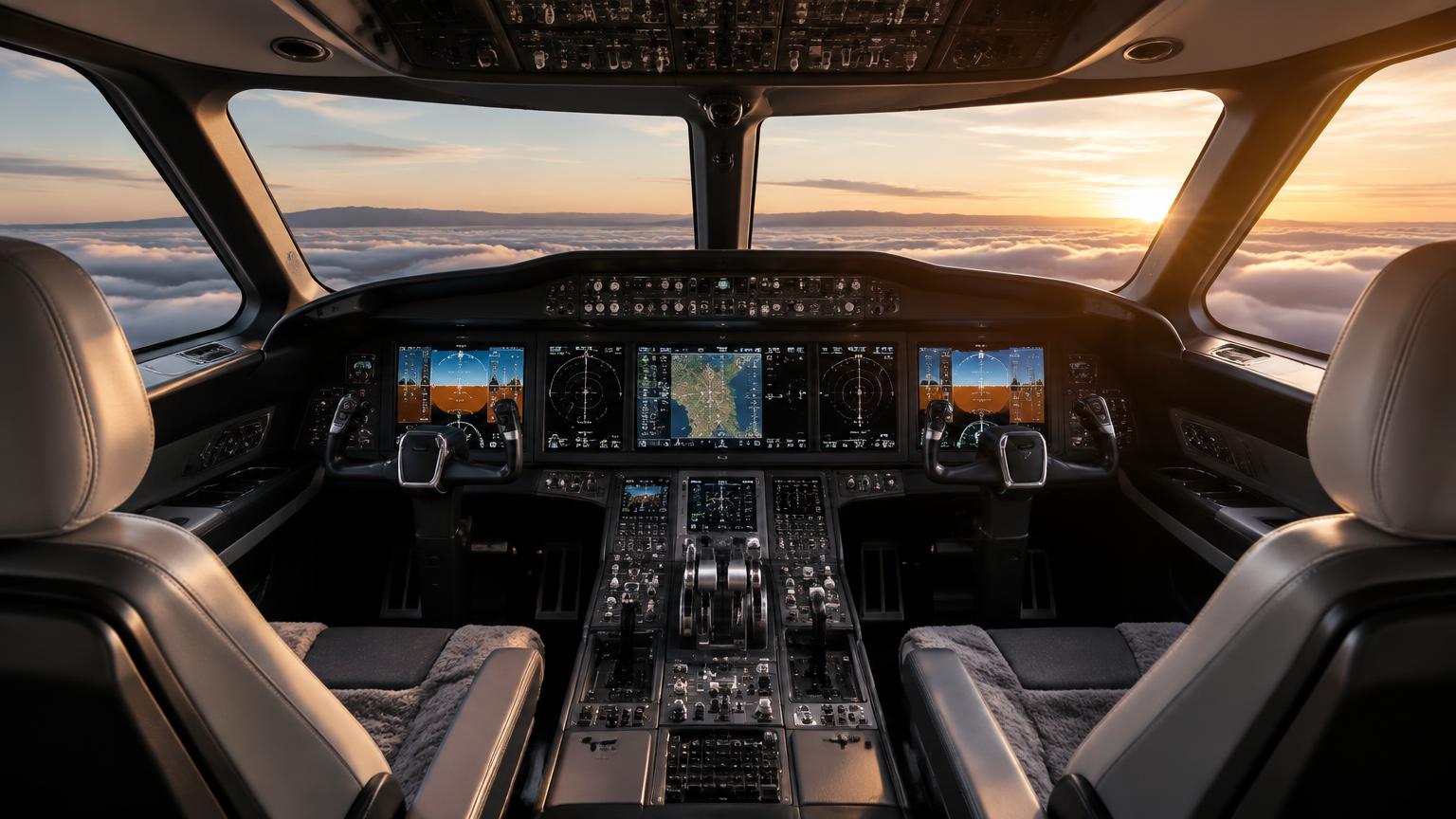
The illustrations are generated aviation imagery, not evidence of a specific aircraft or operator.
For a live itinerary, see the charter advisory guide or start a private enquiry.