What happened: European operators order Citation Latitudes and Longitudes
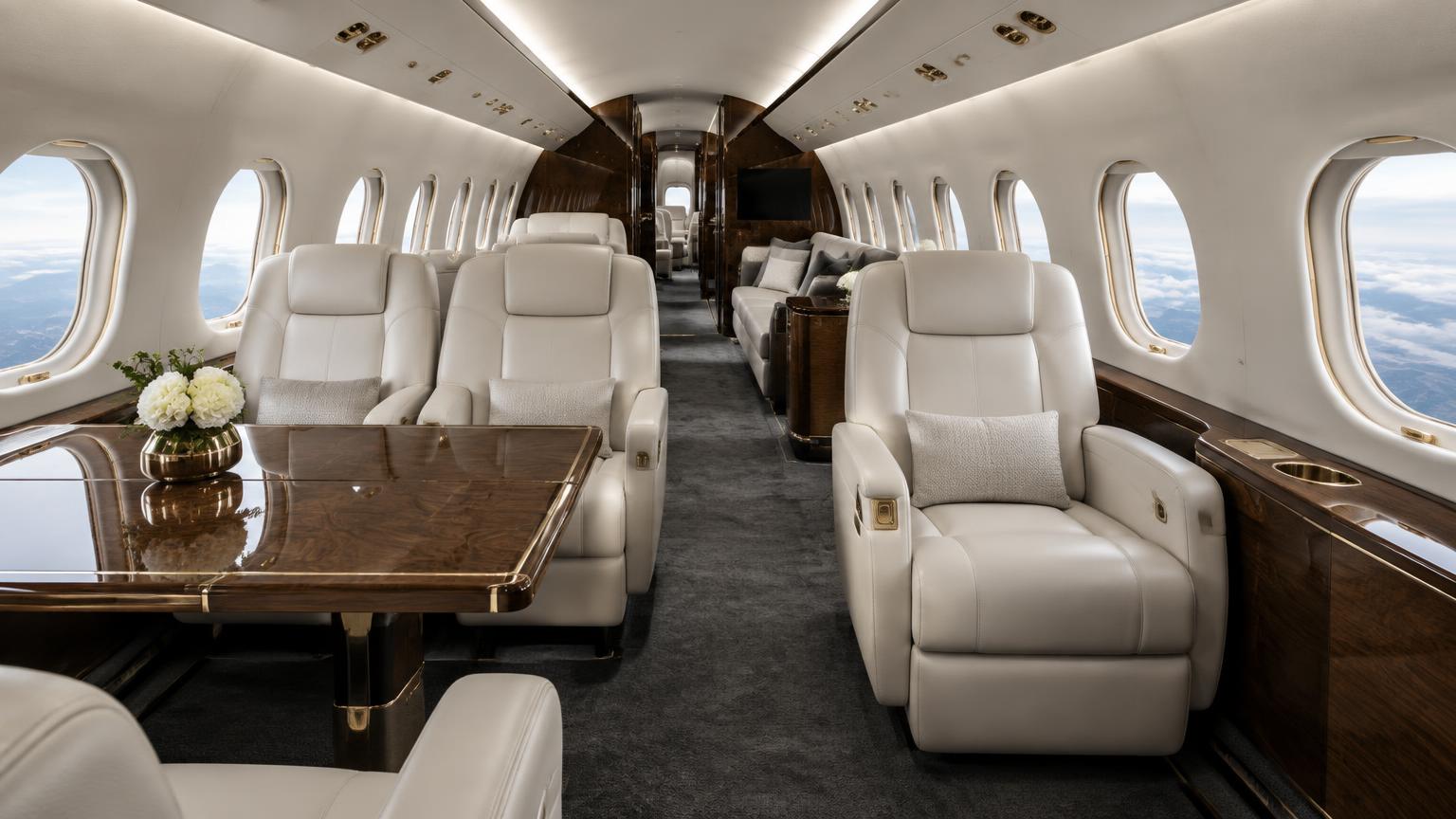
Speaking to AIN ahead of EBAA Week in Brussels, Textron Aviation’s vice president of European sales, Duncan Van De Velde, called 2026 an “amazing” year for the Citation line in Europe, built on three fleet orders from charter operators. In April at Aero Friedrichshafen, France’s SD Aviation ordered two Citation M2 Gen3s and a CJ3 Gen2, with options for three more light jets, for delivery in 2027 into its SD Share shared-ownership programme. In the same week, Hamburg-based Luminair ordered nine Citation Latitudes. Shortly afterwards, German operator Platoon agreed a deal for an undisclosed number of Citation Longitudes.
AIN gives the ranges as 2,800 nm for the Latitude and 3,500 nm for the Longitude, enough for any European city pair and for flights into neighbouring regions. From 2028, Textron will offer free installation of Gogo’s Galileo HDX connectivity, which runs on Eutelsat’s OneWeb low-earth-orbit network, on both types. Textron says more than 1,700 Citation and Beechcraft aircraft now operate in Europe, and it has added a service facility in Stuttgart alongside its existing service centre and parts warehouse in Düsseldorf. Van De Velde’s explanation for the demand: European charter operators get more repeat business because customers here are demanding about features such as cabin altitude and comfort.
Why it matters: new capacity arrives into a softer market
The timing is what makes this interesting. WingX data published by Private Jet Card Comparisons show Europe recorded about 8,860 private jet departures in Week 46, around 5% fewer than a year earlier. Germany, home to both Luminair and Platoon, had the largest decline of the major European markets: 1,169 departures, down 12% year on year, and down 9% on a rolling four-week basis. Globally, departures fell for the third straight week.
The pre-owned market tells a similar story at the smaller end. JETNET’s November JIQ Market Barometer, as reported by GlobalAir, shows transaction value for small and medium business jets each down about 11% year on year on a trailing twelve-month basis, while large jets are close to flat. Average asking prices were $3.54 million for small jets and $5.01 million for medium jets. Aircraft up to five years old sell in about 50 days, aircraft 16 years and older take more than 100, and 74% of listed aircraft are now 16 years or older.
Put together: operators are investing in new midsize and super-midsize jets precisely when demand in their home market is soft, and buyers are clearly favouring young aircraft over old ones.
The broker’s view: why I like Citation Latitude charter this winter
This is my opinion, not a forecast. I read these orders as a bet that European clients will keep paying for a newer, quieter, more comfortable cabin, even while total flying is flat. I think that bet is right. In my experience, the client who flies four people from Hamburg to Geneva or Munich to Nice does not want the cheapest midsize jet on the market; he wants the one that arrives on time, looks the part on the ramp, and lets him work on the way. The Latitude sits very well in that space, and the Longitude is a credible step up for longer intra-European and Middle East legs.
What does it mean for price? With German flying down double digits and nine more Latitudes heading into a German fleet, I expect operators based there to be more willing to sharpen quotes on midweek and shoulder-period trips over the coming months, particularly for one-way flights where they would otherwise reposition empty. Peak dates are a different matter. Christmas, New Year and February half-term in the Alps still fill up, and fuel remains expensive, so I would not wait for a bargain on those.
My practical advice for charter clients: for peak ski and holiday dates, book the aircraft now and lock the price. For everything else, ask your broker to quote a newer Latitude or Longitude against an older midsize; the gap is often smaller than people expect, and in a softer German market it may be negotiable. Always ask for the aircraft’s year of manufacture and the operator’s base, because repositioning is still where much of the price hides.
For owners of older light and midsize jets, the message is less comfortable. The data says buyers are paying for youth, and the oldest listings are waiting more than three months for a deal. If you are thinking of selling an older midsize aircraft, I would rather price it realistically now than chase the market down next year.
This briefing is a market summary compiled from the cited public sources. It is not investment, legal or operational advice; figures are as reported by those sources.